Mattress materials & construction
Latex Layers, Explained: Natural Resilience and Support
Latex has a distinctive way of meeting the body: it yields, then pushes back. That buoyant response is part of its appeal, but a mattress is more than its material label. Layer thickness, firmness, construction, and sourcing all help determine how a latex bed feels—and whether that feel suits the person sleeping on it.
Published November 2, 2026
Some mattresses seem to swallow movement. Latex tends to do the opposite. Press into the surface and it compresses; ease off, and it recovers with a springy, steady lift. That combination—contouring without a pronounced sinking sensation—is why latex mattresses attract sleepers looking for pressure relief alongside a sense of support.
But “latex” is not a complete description of a mattress. It does not tell you how thick the comfort layer is, how firm the core feels, how the layers are arranged, or whether the latex is natural, synthetic, or a blend. Those details shape the experience more than any single promise about comfort or performance.
Understanding latex layers is therefore less about finding a universal best mattress than learning how a particular construction responds to a particular body. The useful questions are concrete: Where is the softest layer? How deep does it compress? Does the core resist that compression? What does the manufacturer disclose about the material and its care?
The defining feel: buoyant, not weightless
Latex foam is made from rubber material and formed into a resilient structure. In a mattress, that structure compresses under load and springs back when the load is removed. The result is often described as buoyant or responsive. Rather than slowly conforming around the body, as some memory foam does, latex usually responds more promptly when a sleeper changes position.
That difference is noticeable, though not absolute. Latex can still contour to the body, and memory foam products vary in how quickly they recover. Mattress covers, quilting, layer density, and the materials beneath the surface all affect the impression a sleeper gets. “Responsive” is a useful starting point, not a guarantee that every latex mattress will feel alike.
Many people value this pushback because it can make movement across the bed feel easier. Others prefer the closer, slower contour of a more enveloping surface. Neither preference is a measure of good or bad sleep. It is a matter of fit, and fit depends on body shape, sleep position, comfort preferences, and the whole mattress design.
Resilience is also not the same thing as firmness. A soft latex layer can rebound quickly; a firm one can do so as well. Firmness describes how resistant the surface feels under a given load, while resilience describes how readily the material returns after compression. A mattress may feel plush at first touch yet remain springy underneath.
How layers work together
A layered latex mattress generally combines a surface or comfort layer with one or more deeper layers. The upper material is the first point of contact and can influence cushioning around areas such as shoulders and hips. Deeper layers help determine how far the sleeper settles and how firmly the mattress resists continued compression.
Think of the arrangement as a system rather than a stack of independent ingredients. A soft upper layer over a firm base can create initial pressure relief with a more stable underlying feel. A thicker or softer comfort layer may allow more immersion. A firmer upper layer can make the surface feel more direct, even when the mattress has a supportive core below it.
Layer thickness matters because it affects how much material can compress before the body meets firmer layers. A thin comfort layer may provide a subtle cushion. A thicker one can create a more pronounced plushness, although thickness alone does not determine softness: the composition and firmness of the foam matter too. The same nominal firmness can feel different depending on the sleeper, the base, and the mattress cover.
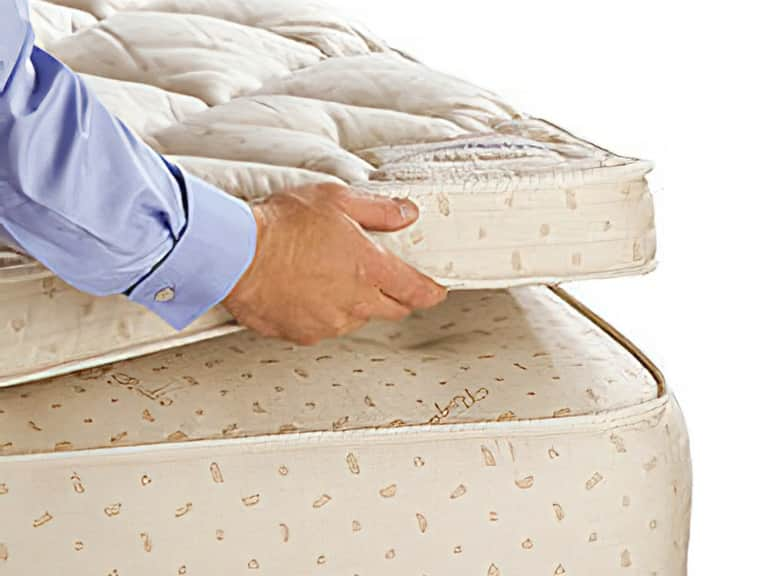
Some models allow customers to choose or rearrange layers. This adds flexibility, but it also makes the initial selection more consequential. Ask how the manufacturer defines its firmness options, whether each layer can be repositioned, and what exchange or adjustment arrangements apply. Those policies are not inherent to latex; they are features of an individual product and retailer.
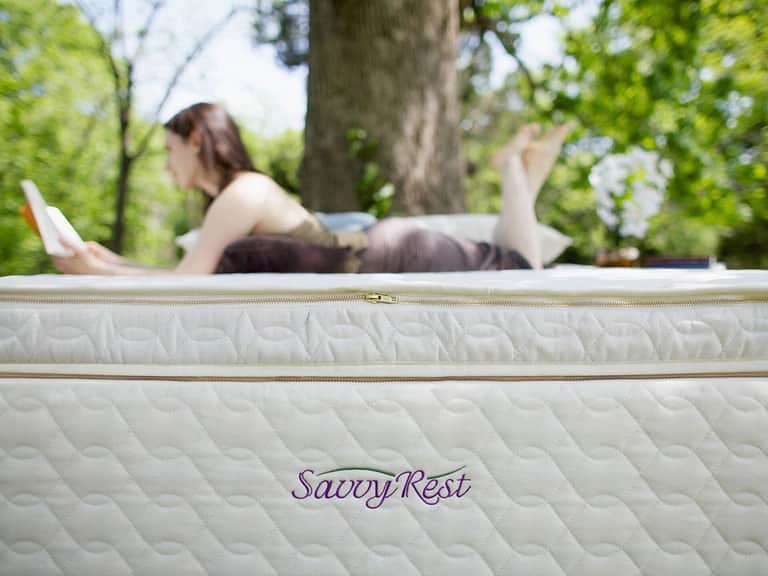
For a real-world example of a customizable design, the Savvy Rest Unity Pillowtop Latex Mattress combines a three-layer mattress with a separate topper. Its description lists four three-inch layers, a total height of 13 inches, and soft, medium, or firm layer choices. The topper is described as Talalay latex, while the mattress layers are described as Dunlop latex; the product information also notes side-by-side customization for Queen and King sizes. These details illustrate how layer selection and arrangement can be part of the design—not that one configuration will suit every sleeper.
Dunlop and Talalay: process is part of the picture
Dunlop and Talalay are two processes used to make latex foam. Broadly speaking, they describe manufacturing methods, not simple quality rankings. Product descriptions often associate them with different densities or feels, but those generalizations should not replace examination of the actual mattress construction and specifications.
In a typical Dunlop process, latex is poured into a mold and vulcanized. In the Talalay process, the mold is only partially filled; the material is expanded and then frozen before it is vulcanized. The differing steps produce foam with distinct physical characteristics, but the finished feel still depends on the formulation, firmness, layer dimensions, and what surrounds the material.
It is easy to turn the terms into shorthand—one is “firmer,” the other “softer”—but that can mislead. A shopper cannot reliably determine comfort from the process name alone. Ask for the firmness or density information the manufacturer provides, and, where possible, test the mattress or a comparable layer. If buying remotely, read the return, exchange, and layer-adjustment terms carefully.
Natural, synthetic, and blended latex
“Latex” can refer to material made from natural rubber latex, synthetic latex, or a blend. Natural latex is derived from rubber tree sap, which is processed into foam. Synthetic latex is produced using synthetic rubber compounds. Blended products combine natural and synthetic material in varying proportions.
For consumers, the important point is not to infer the composition from a broad label. “Natural feel” or “eco-conscious” is not a precise material specification. Look for a clear description of what the latex contains, which components are certified, and which parts of the mattress the certification covers. A mattress may include latex alongside cotton, wool, adhesives, fabric, and other materials, each with its own sourcing and disclosure questions.
Certifications can help clarify particular claims, but they are not interchangeable. Some evaluate emissions or chemical content; others address organic agricultural standards or specific material categories. Check the certifier’s scope and the product documentation rather than treating any one mark as proof that the entire mattress meets every possible environmental or health standard.
It is also worth distinguishing material certification from a claim about an entire finished product. Ask whether the certification applies to the latex, the textile cover, or the assembled mattress. If a product is marketed as organic, seek specifics about the standard and certified components. Clear answers are more useful than a string of broad adjectives.
Firmness, position, and the question of fit
Sleep position offers a practical way to think about mattress feel, though it cannot prescribe a perfect firmness. Side sleepers often pay close attention to cushioning at the shoulder and hip, since those areas meet the surface at concentrated points. A mattress that feels too firm to one person may create uncomfortable pressure; a very yielding surface may feel less stable to another.
Back sleepers may focus on whether the mattress feels supportive through the middle of the body without creating an unwanted hard spot. Stomach sleepers often prefer a surface that does not allow excessive sinking around the torso. These are general considerations, not medical rules. Body weight, proportions, preferred posture, and personal sensitivity change how the same bed feels.
With latex, the balance between comfort and support often comes from the interaction between upper and lower layers. A plush top can soften first contact, while a firmer layer below limits further compression. But a label such as “medium” is not standardized across all brands. The mattress cover and foundation can also change the sensation.
When testing a mattress, spend enough time in the positions you actually use. Notice pressure, ease of turning, and whether the surface feels comfortable after settling in—not just during the first few seconds. If sharing a bed, test together. A split or side-customizable design may be relevant when two people have different preferences, but it should be evaluated against the exact model’s construction and terms.
For sleepers with persistent pain, numbness, or other health concerns, mattress selection should not be treated as diagnosis or treatment. A mattress can influence comfort, but it cannot replace advice from an appropriately qualified health professional.
Airflow and temperature: construction counts
Latex is often discussed as a breathable material, and its open structure may allow air movement through the foam. Yet no material label can promise that every sleeper will stay cool. Temperature also depends on the cover, quilting, bedding, room conditions, clothing, and individual comfort. A thick mattress protector or dense comfort layer can alter the sleep climate.
When evaluating a claim about cooling, look at the whole build. Ask what the cover is made from, whether the latex layers are ventilated, and whether the manufacturer describes the mattress as a complete system or is highlighting one component. Pairing a mattress with breathable sheets and a suitable protector may matter as much as choosing a particular foam.
Latex mattresses can also feel different depending on the foundation beneath them. Follow the manufacturer’s requirements for platform surfaces, slats, or adjustable bases. A foundation that is unsuitable may affect support and could complicate warranty coverage. The product’s care and setup instructions are part of the purchase decision, not fine print to discover after delivery.
Durability and maintenance, without the shortcuts
Resilience is often associated with longevity, but it does not provide a simple forecast for how many years a mattress will last. Durability depends on material quality, layer construction, use, foundation support, body weight, and care. A warranty describes the manufacturer’s stated coverage under particular conditions; it is not a promise that a mattress will feel unchanged throughout the warranty period.
Before buying, check whether the cover is removable, whether it can be washed, and what the manufacturer recommends for spills or stains. Many latex mattresses should not be treated like ordinary washable bedding. Spot-cleaning may be advised, and soaking foam or applying harsh cleaning agents can damage materials. Follow the model-specific instructions rather than assuming the care routine from another brand applies.
Rotating or flipping a mattress may be recommended in some cases, but it depends on the design. A one-sided mattress, a layered model with a defined top, and a reversible mattress do not necessarily share the same maintenance routine. Confirm what the manufacturer advises, including how to handle a removable topper or exchangeable layers.
Consider the practicalities of a layered design, too. Moving or opening a mattress may require more than one person, and some configurations involve arranging heavy layers within a cover. Ask about delivery, setup, disposal of an old mattress, and any fees before ordering. These details can make a meaningful difference to the ownership experience.
A disciplined checklist for comparison
When comparing latex mattresses, the most useful evaluation is specific and repeatable. Record what each manufacturer discloses, then separate measurable construction facts from subjective comfort language.
- Material: Is the latex natural, synthetic, or blended? Is the composition stated clearly?
- Construction: How many layers are present, how thick are they, and what role does each layer play?
- Firmness: What choices are available, and how does the maker explain or measure them?
- Process: Is the latex identified as Dunlop, Talalay, or another construction, and are claims tied to the finished mattress?
- Certifications: Which components are certified, by whom, and for what specific standard or attribute?
- Fit options: Can layers be rearranged or exchanged? Are sides customizable for couples?
- Care: What can be cleaned, and what are the instructions for the cover, foam, and topper?
- Terms: What are the trial, return, exchange, delivery, and warranty conditions?
- Foundation: Which base types are approved, and are there spacing or support requirements?
This checklist resists the most common mistake in mattress shopping: comparing a collection of claims rather than the products themselves. Two mattresses may both be described as natural latex and responsive, yet differ substantially in thickness, surface feel, support structure, and the practical terms attached to them.
The bottom line: read the layers, not the slogan
Latex’s appeal is rooted in a clear physical quality: it compresses and returns with a lively, supportive response. That can suit sleepers who want cushioning without a deeply sinking sensation. But natural resilience is not a universal solution, and “latex” alone cannot predict how a bed will feel.
The more revealing story is in the layers. Their firmness, thickness, arrangement, and material sourcing shape the experience, while certifications and care instructions help explain what ownership involves. Sleep position can guide the questions, but personal testing and transparent product details provide stronger answers than a one-size-fits-all promise.
In the end, a thoughtful comparison is not a search for the most impressive adjective. It is an examination of construction: what is inside, how it is assembled, how it can be adjusted, and what the manufacturer says about maintaining it. That is where the difference between a compelling label and a well-understood mattress begins.