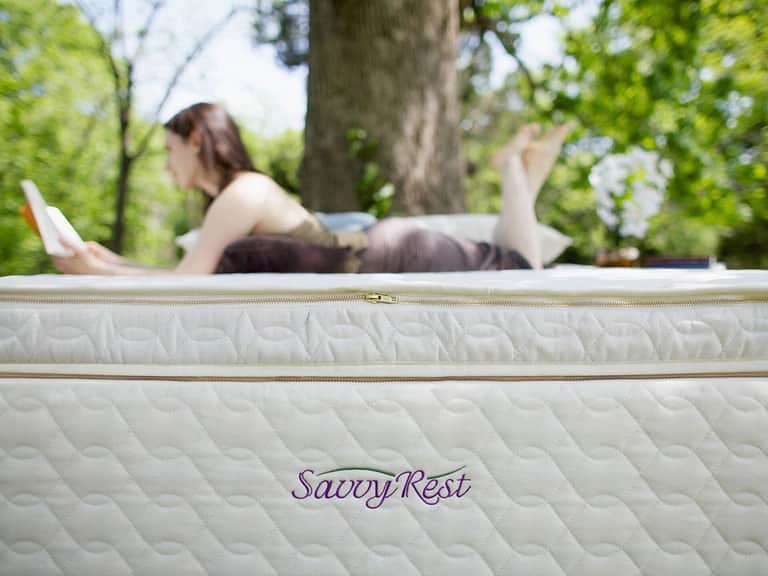
Savvy Rest Unity Pillowtop Latex Mattress

Understanding Organic Mattresses: What Sets Natural Options Apart

This guide explores organic mattresses, focusing on what certifications matter, common materials used, and how to evaluate sustainability without compromising comfort. Learn how health considerations intersect with design, performance, and longevity.

A Brief on Organic Sleep Systems

Organic mattresses sit at the intersection of health, environmental stewardship, and craftsmanship. They prioritize natural materials that are less likely to trap allergens and respond to a growing consumer demand for transparency in how goods are produced. The core idea is simple: choose materials that are renewable, responsibly sourced, and free from unnecessary chemical additives, while preserving the comfort and durability expected of a premium sleep surface.

In practical terms, organic options often emphasize layers of natural latex, organic cotton, and wool. These components can offer breathable climate regulation, buoyant contours, and moisture-wicking properties that help maintain a balanced sleep temperature. When thoughtfully combined, they create a surface that supports spinal alignment and pressure relief without compromising long-term safety or environmental impact.

As a reader, you should consider not only the materials but also the manufacturing standards and third-party certifications that validate organic claims. A mattress can feel luxurious while obeying strict standards for sustainability and health—an ideal blend for readers seeking both comfort and conscience.
Certifications That Matter

The backbone of trustworthy organic mattresses are certifications that establish credible benchmarks. The most widely recognized include:

  • GOTS (Global Organic Textile Standard): Signals organic fibers from harvest through processing, with stringent environmental and social criteria.
  • GOLS (Global Organic Latex Standard): Verifies organic latex content and responsible production, including lab testing for purity.
  • OEKO-TEX Standard 100 or higher: Tests finished products for harmful substances, offering an assurance of skin-safe composition.
  • CertiPUR-US (for foams where used): Confirms that foams meet standards for content, emissions, and durability, though not strictly organic, it is a common benchmark for safer foams within organic lines.

Understanding what each certification covers helps readers decode product claims. A truly organic mattress often presents a combination: natural latex or wool with organic cotton, all validated by GOTS or GOLS where applicable, and finished with OEKO-TEX or similar safety standards to restrict toxic residues.

Materials at a Glance: How Natural Choices Shape Comfort

Natural latex: A resilient, breathable core that can provide buoyant support and responsive pressure relief. Depending on the source and processing, latex can be Dunlop or Talalay. Each method offers distinct feel profiles—Dunlop tends to be denser and longer-lasting, while Talalay often yields a softer, more uniform surface. Organic latex used in certified products minimizes off-gassing and chemical exposure, aligning with health-focused sleep goals.

Organic cotton: A durable, breathable fabric that forms the outer shell or comfort layers. Cotton’s natural absorbency helps regulate moisture, keeping a sleep surface cooler in warm climates and warmer in cooler environments when paired with other fibers.

Wool: Not just a luxurious touch—wool naturally wicks moisture and insulates, contributing to a climate-regulated sleep surface. In organic builds, wool is typically responsibly sourced and processed without harsh chemicals, which can enhance comfort for sensitive sleepers.

Other natural fibers occasionally appear in organic builds—bamboo, coconut husk, or cotton blends—adding micro-dynamics to temperature control and edge support. The common thread is a commitment to healthier interiors without compromising durability or structural integrity.

How to Evaluate an Organic Mattress

  1. Know the certification path. Start with GOTS, GOLS, and OEKO-TEX as anchors. Read product sheets to confirm certification scope and the scope of testing. Certifications offer a map to traceability from raw material to finished product.
  2. Assess material stacking. Look for a logical order: natural latex core or comfort layers, natural cotton or wool padding, and a breathable cover. Understand how each layer contributes to support, bounce, and temperature regulation.
  3. Consider firmness and zoning. Organic mattresses should still provide appropriate support for spinal alignment. Evaluate firmness on a per-side or per-zone basis if customizable layers are offered, which is common in premium organic lines.
  4. Inspect durability signals. Certifications aside, check for stitch quality, edge support design, and the resilience of latex foams over time. A well-constructed organic mattress can outlast cheaper synthetic models, reducing environmental impact over its lifecycle.
  5. Ask about sustainability beyond materials. Inquire about supplier practices, water usage, supply chain transparency, and end-of-life options such as mattress recycling programs or take-back policies.

Editorial Spotlight: Figures Across Time on Restful Comfort

Hypatia of Alexandria (early 4th century CE)

While not an inventor of mattresses, Hypatia’s legacy as a philosopher and teacher of the sciences embodies the intersection of inquiry and well-being. In discussing rest, early scholars emphasized balance and posture in daily life as cornerstones of health. Her spirit lingers in the modern pursuit of sleep science, where measurement, observation, and reason inform better beds.

Leonardo da Vinci (1452–1519)

Da Vinci’s fascination with human anatomy and mechanics prefigured contemporary ergonomics. His studies of skeletal alignment and muscular support remind us that a mattress is a biomechanical interface—one that should cradle the body with precision and proportion, much as his sketches sought to harmonize form and function.

Virginia Woolf (1882–1941)

Woolf’s exploration of daily routines, mental health, and the interior life underscores sleep as a critical domain of self-care. Her advocacy for uninterrupted, restorative time resonates with today’s emphasis on sleep hygiene and the role of a well-chosen mattress in mental clarity and creativity.

Modern Sleep Scientists: 20th–21st Centuries

In the 20th century, researchers like Nathaniel Kleitman (the father of modern sleep research) and later teams studying circadian biology reframed sleep from a passive state to a dynamic, essential process. Contemporary scholars continue this tradition, investigating how materials, heat dissipation, and ergonomic support influence sleep cycles and restorative outcomes.

Product Spotlight: A Natural Mattress That Aligns with Our Editorial Ethos

Among the organic selections, a standout option is the Savvy Rest Unity Pillowtop Latex Mattress. This model blends multiple latex layers with an organic cotton cover, tailored for customizable firmness and pressure relief. The combination of Dunlop and Talalay latex provides a nuanced surface that accommodates different sleeper profiles, including side sleepers who benefit from gentle contouring and targeted support.

Key attributes include a 13-inch profile, a removable organic casing for the top layer, and a 20-year warranty. The Unity Pillowtop is designed for those who want a plush surface without sacrificing spinal alignment or durability. It exemplifies how organic materials can deliver luxury without compromising performance.

Savvy Rest Unity Pillowtop Latex Mattress (13-inch)

Official product snapshot shows a plush, customizable surface designed for couples who seek tailored firmness zones. Certification highlights include organic cotton ticking and certified organic latex layers.


Maintenance and Longevity

Organic mattresses benefit from consistent care: rotate seasons, preserve the integrity of the natural cover, and follow the manufacturer’s wash and ventilation guidelines. Layer exchange policies and warranty terms offer additional avenues for sustaining performance over decades rather than years.

Why This Matters

Choosing organic materials aligns with a broader shift toward healthier interiors, reduced chemical exposure, and a science-based approach to sleep quality. For readers of a luxury-focused mattress domain, organic options deliver the premium feel, refined aesthetics, and responsible manufacturing that define modern luxury.

This article follows a non-commercial editorial stance, focusing on education, independent evaluation, and sustainability in mattress materials.

Related keywords: organic mattresses, natural latex, certifications organic bedding, sustainable sleep, mattress materials, eco-friendly mattresses.

Related Products

Savvy Rest Unity Pillowtop Latex Mattress

Savvy Rest · No. SAVVYREST-UNITY-PILLOWTOP-MATTRESS-13INCH-3 PIECE DUNLOP-1 TALALAY

Savvy Rest Unity Pillowtop Latex Mattress

Experience cloud-soft plush with personalized comfort: a 13" latex pillowtop that relieves pressure for side sleepers, custom layers, organic materials, easy setup, and a 90-day exchange for the perfect fit.
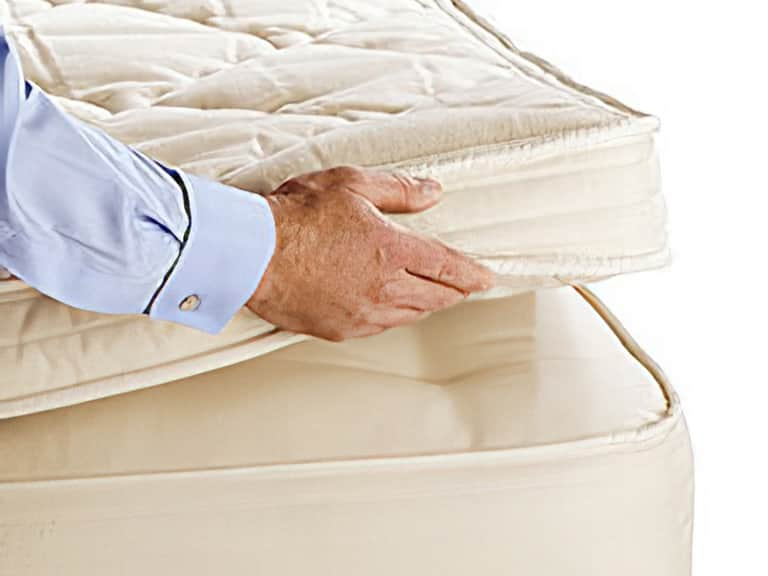
Royal-Pedic Natural Latex 4" Pillowtop Pad

Royal-Pedic · No. RP-NPTPAD-4

Royal-Pedic Natural Latex 4" Pillowtop Pad

Indulge in cloud-like luxury with the Royal Pedic Pillowtop Pad, delivering extra cushioning, pressure-point relief, and soothing support for hips and shoulders—enjoy cooler, breathable comfort and a spa-like rest, night after night.
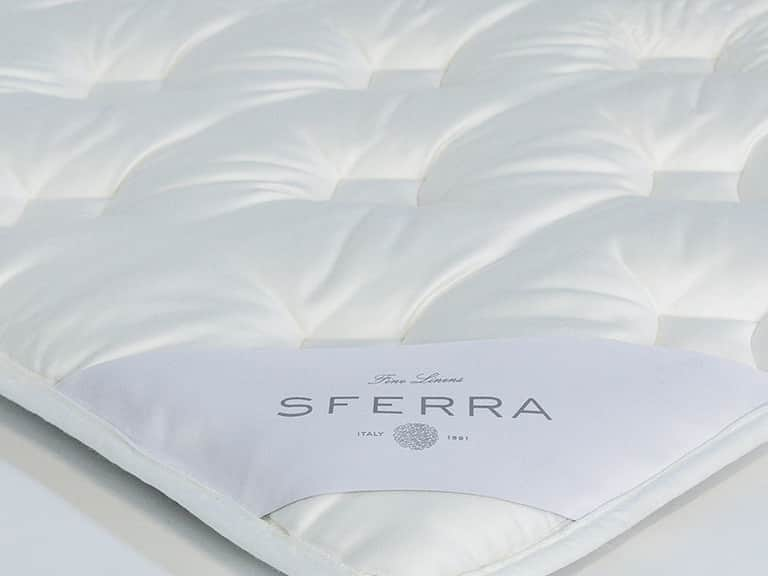
Sonno Notte Comfort Mattress Topper

Sferra

Sonno Notte Comfort Mattress Topper

Experience breathable, structured comfort with layered cashmere, silk, and wool, cushioned by aerated gel foam for stable support. Lux silk-damask finish adds a plush touch, easy care, made to order in the USA.

Theme