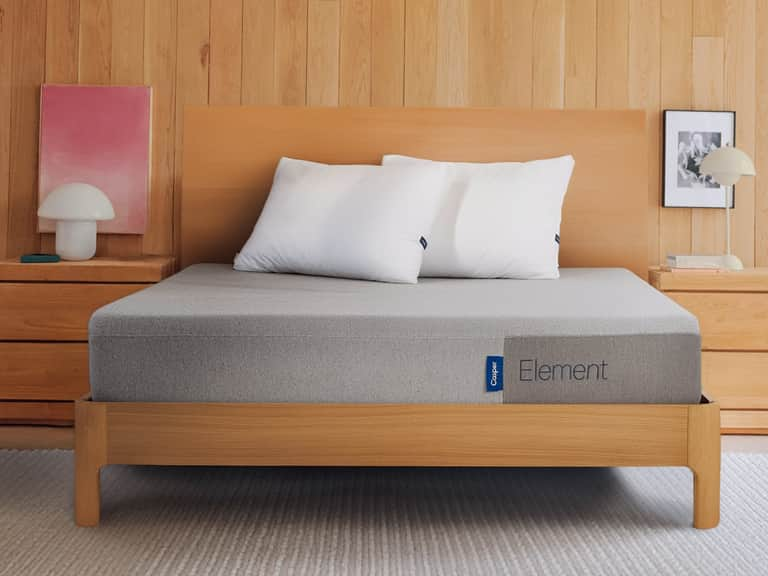
Foam mattresses are distinguished by their memory and transition foams, which adapt to body contours to provide targeted support and pressure relief. In this category, you’ll encounter variations such as high-density polyfoam layers and premium memory foam layers, engineered to balance contouring comfort with durability for long-term performance.
A key feature of foam mattresses is motion isolation, making them suitable for couples who value undisturbed rest. Many designs incorporate multi-layer constructions that minimize sinkage while maintaining alignment of the spine. The materials used often include gel-infused or temperature-responsive foams to enhance comfort across different sleeping positions.
The Element Mattress exemplifies how foam technology translates to practical benefits: zoned support to align the spine, breathable cover fabrics to improve airflow, and durable foam profiles that resist sag over time. This combination supports different sleep tendencies, from side sleeping to back sleeping, while maintaining structural integrity.
When evaluating foam mattresses, consider firmness options, density ratings, and cover materials, as these influence feel, longevity, and heat management. Higher density foams tend to offer better support and durability, while breathable covers help maintain a comfortable sleeping surface and reduce heat buildup during the night.
For bedding ecosystems, foam mattresses interact with other components such as memory foam pillows, sheets, and organic mattress cores, contributing to overall sleep quality. Understanding the role of foam in comfort layers helps clarify how bedding and accessories can enhance rest, support, and long-term usability.
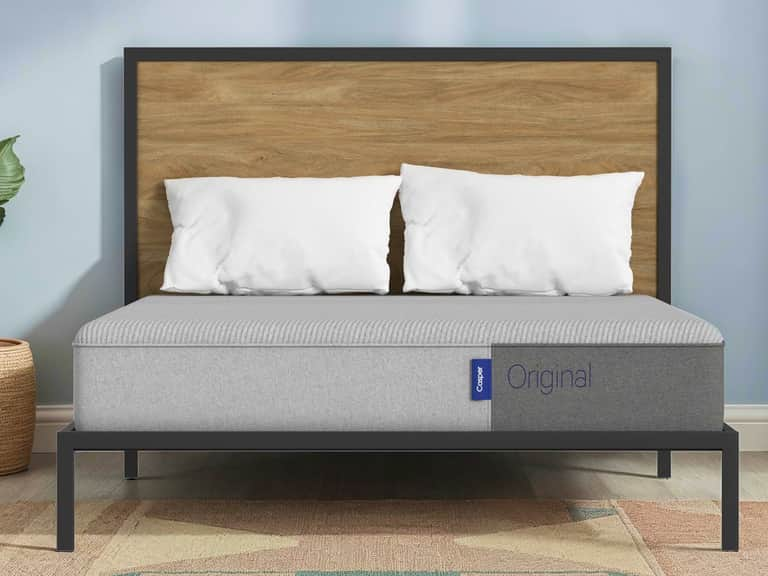 Mattresses